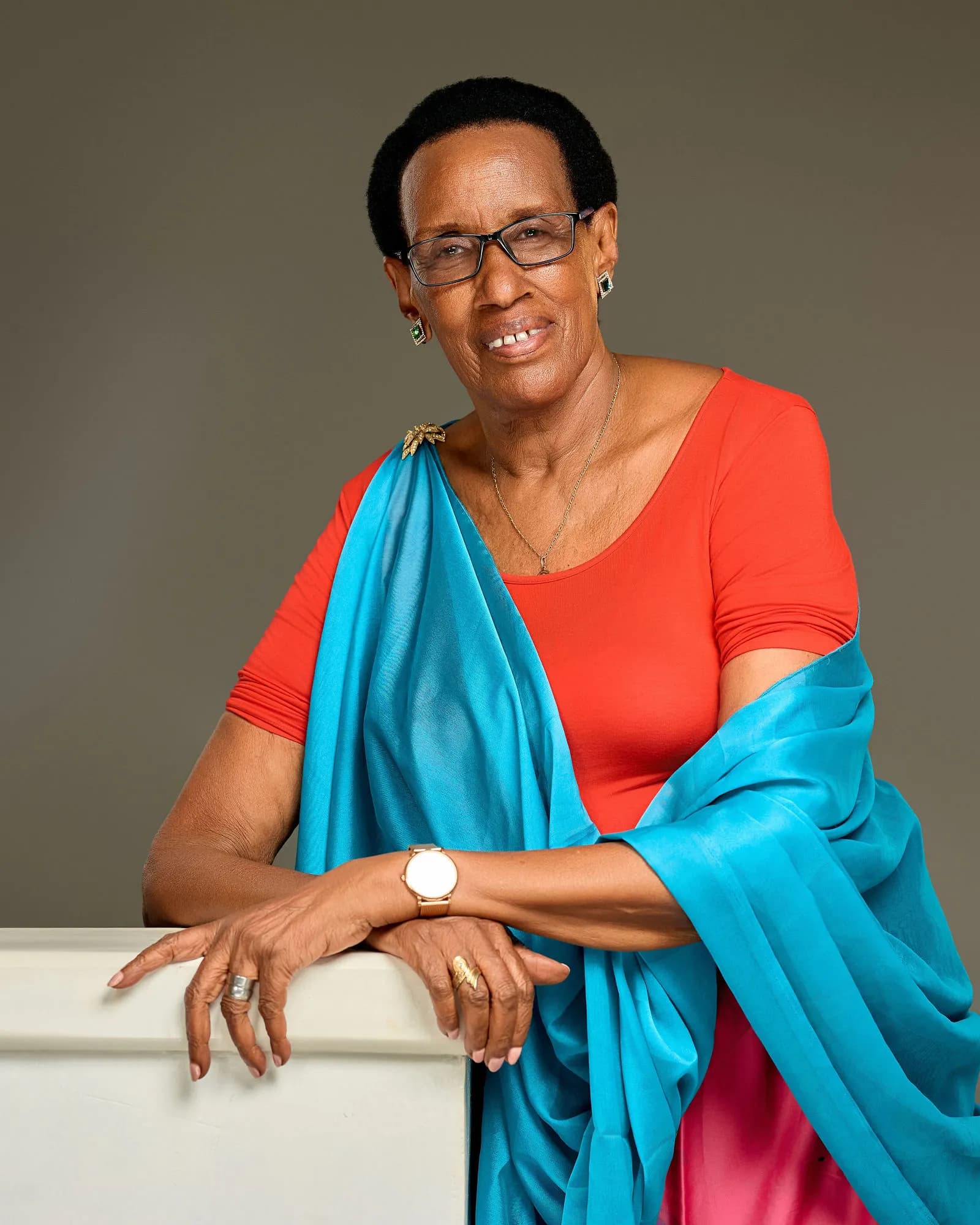
Biography
Mariya
Yohana
Born Mukankuranga Marie Jeanne · 5 December 1943
A National Artist, Guardian of Rwandan Culture and Voice of History
A renowned Rwandan artist widely recognised for her songs celebrating courage, patriotism, unity and Rwandan culture.
Her life in six chapters- Born 5 December
- 1943
- Nationality
- Rwandan
- Intsinzi composed
- 1992
- Presidential medal
- 2007
Mariya Yohana, born Mukankuranga Marie Jeanne on 5 December 1943, is among the artists who have made significant contributions to preserving Rwanda's history and values, using music as a powerful tool to educate, inspire, comfort, unite communities and encourage younger generations to embrace their cultural identity.
Her life journey is a story of dedication, courage, resilience and patriotism. She has served as a teacher, singer, cultural educator and mentor, using her talent to support Rwanda's liberation struggle, contribute to national development and inspire generations through music and cultural education.
01Her life in chapters
From the classroom to the voice of a nation
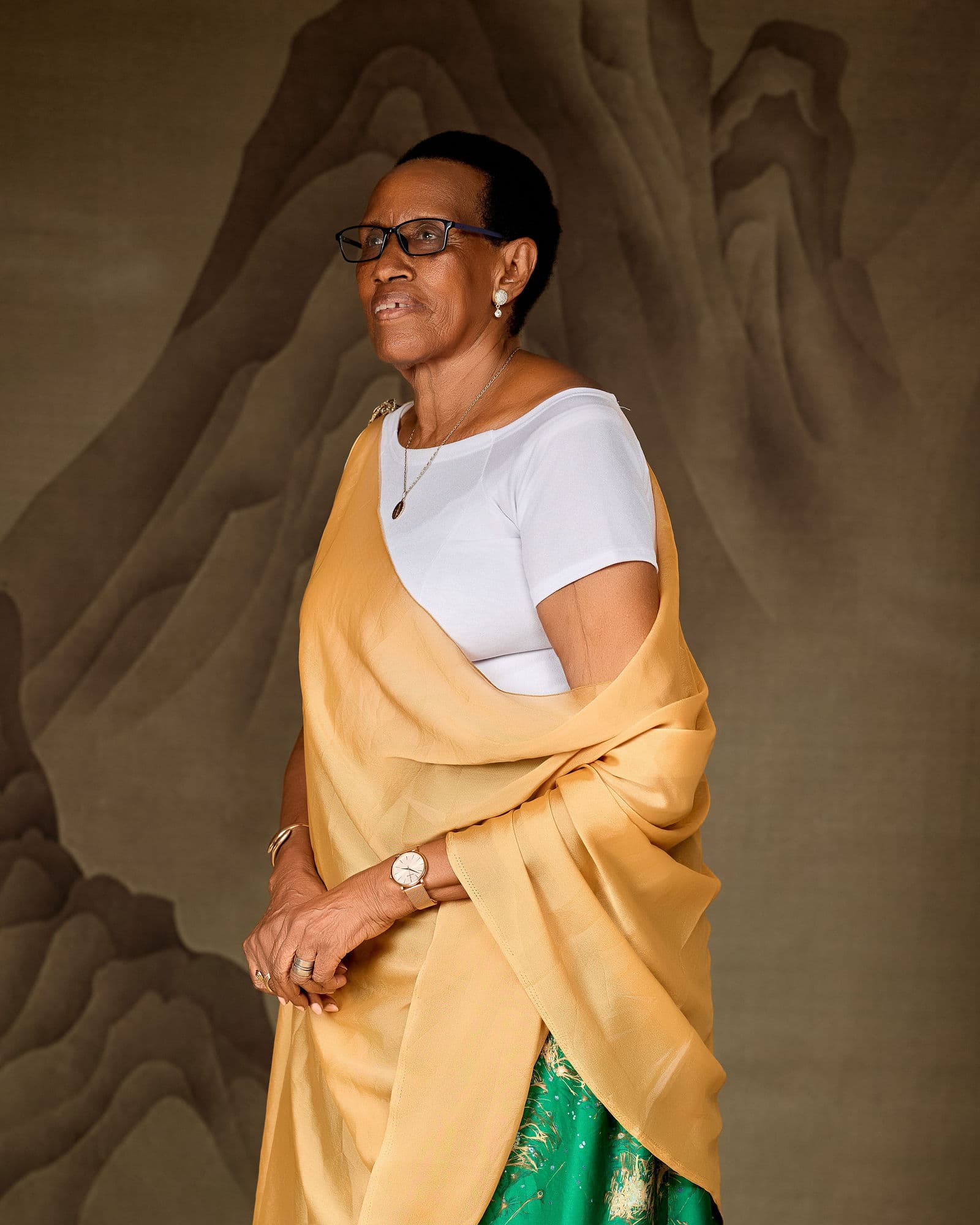
Chapter one · Early life and teaching
A teacher who taught through song
Before leaving Rwanda, Mariya Yohana worked as a primary school teacher, teaching Kinyarwanda. Her passion for education and music developed together.
She regularly used songs not only to entertain her students but to educate them, communicate important messages and help them understand cultural values. Music became an essential part of her teaching, and eventually one of her most powerful tools for social transformation.
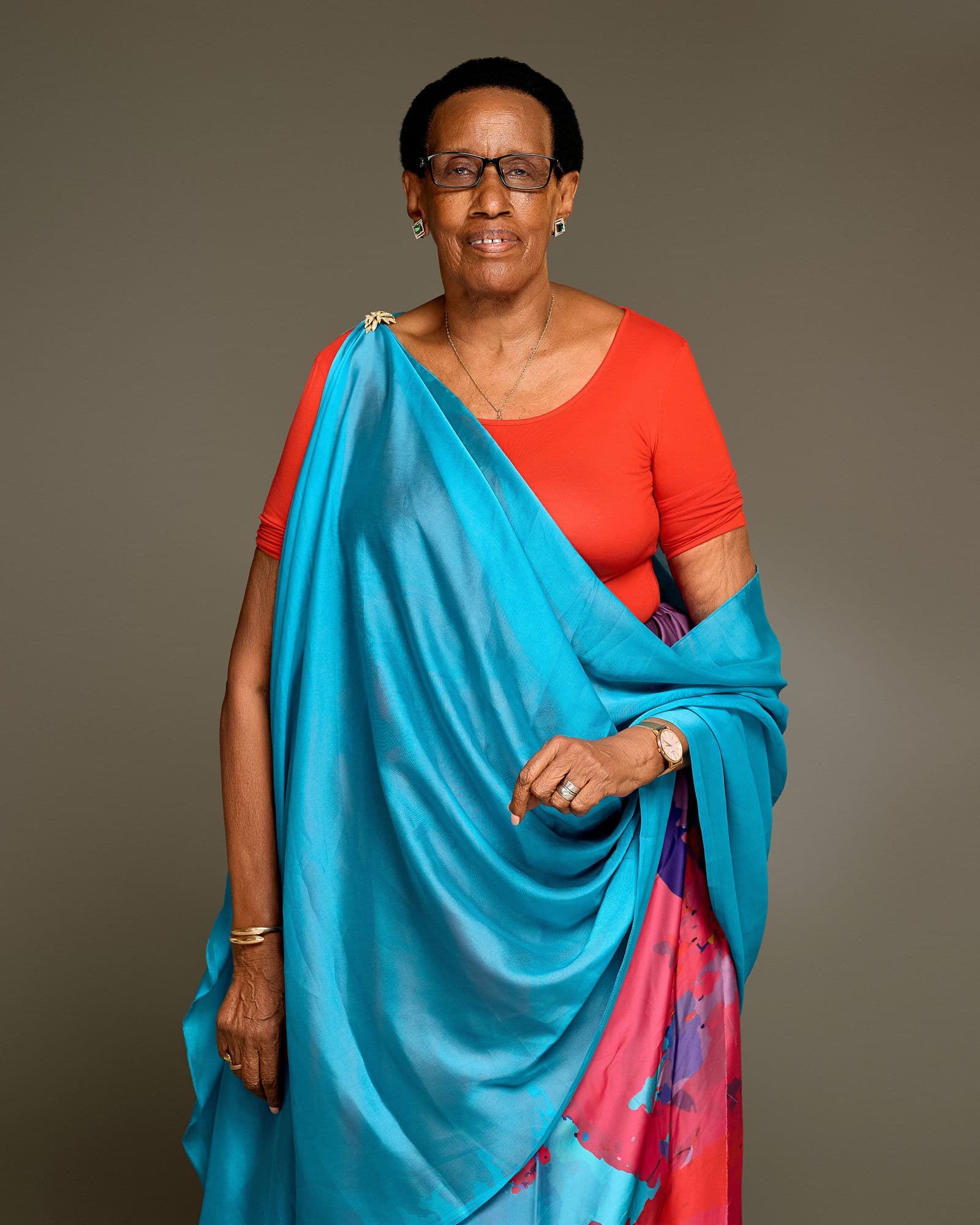
Chapter two · Exile, from 1961
Keeping Rwanda alive far from home
In 1961, Mariya Yohana and her family fled Rwanda for Uganda, seeking refuge when her firstborn child was only eight days old.
Even in exile she kept teaching Rwandan children, helping them preserve their language, traditional songs and cultural heritage so they could grow up connected to their roots. As the years went by, she remained convinced that Rwandans living in exile had a responsibility to return to their homeland and help rebuild it.
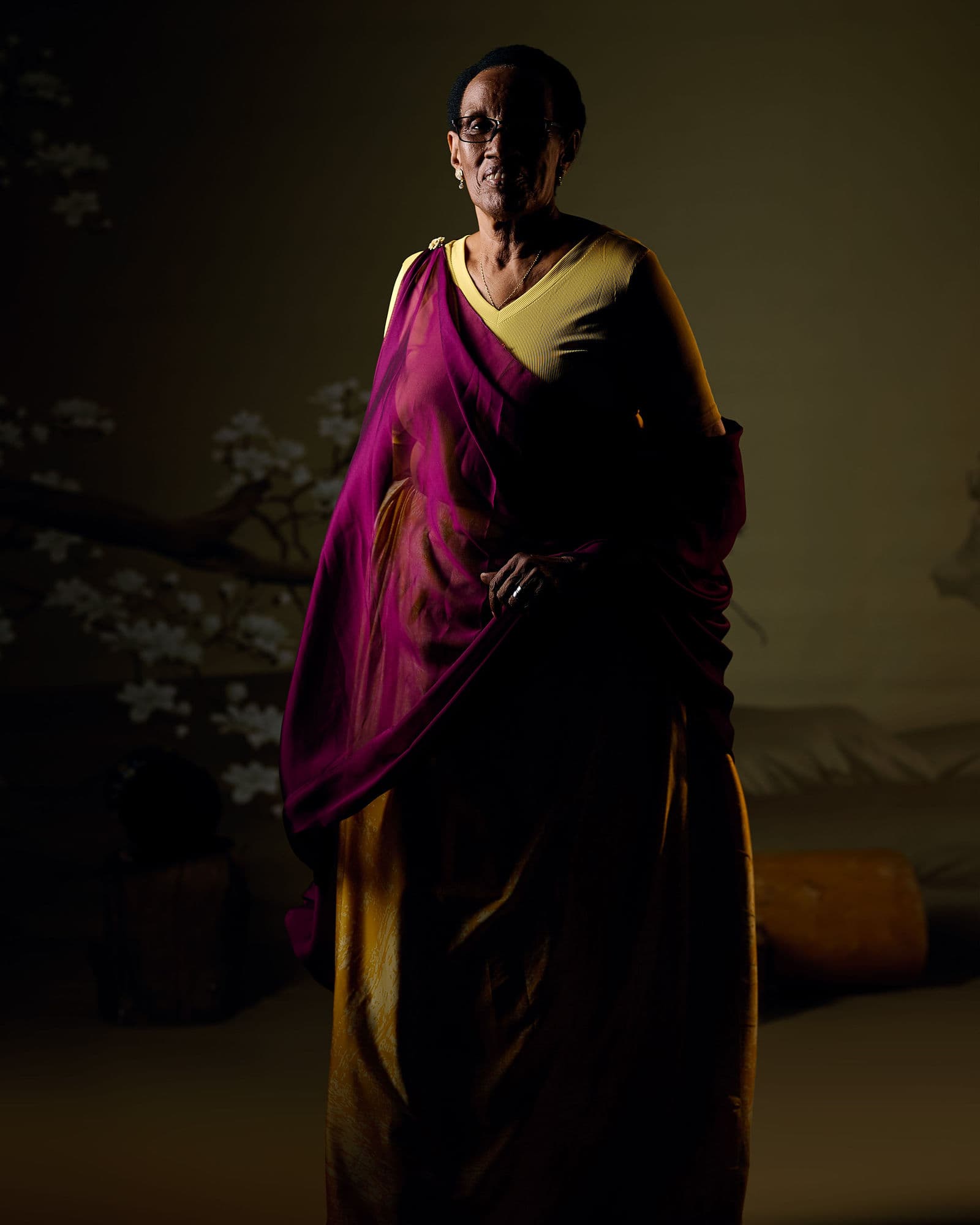
Chapter three · The liberation struggle
Songs of courage and hope
In 1987, as the idea of returning to Rwanda gained momentum among Rwandans in exile, she began using her artistic talent to inspire courage, hope and patriotism. She composed patriotic songs and taught them to children and young people, supporting those in the struggle through music, performances and messages of encouragement.
Among her most notable songs is “Intsinzi”, which she composed and performed in 1992, before the liberation struggle had come to an end. It became one of the important musical works of Rwanda's liberation history, carrying messages of hope, resilience, courage and confidence in a better future.
Her contribution was deeply personal. Her two sons lost their lives during the liberation struggle, a loss that remains an important part of her family's history and of Rwanda's journey.
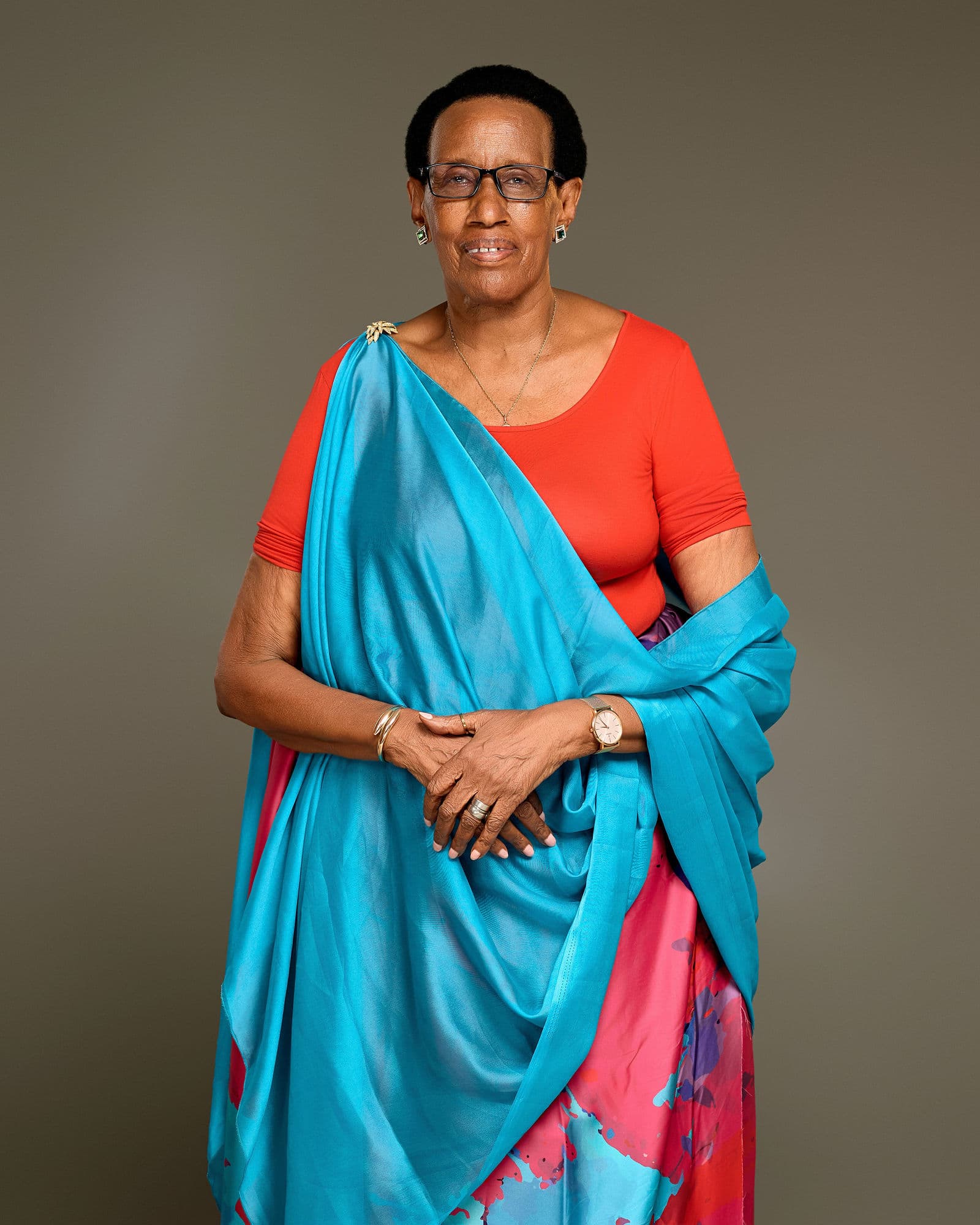
Chapter four · Return, 1994
Coming home to rebuild the nation
In 1994, Mariya Yohana returned to Rwanda after more than three decades in exile. Her return was marked by profound loss, following the deaths of her two sons; she later also lost her daughter.
Despite these painful experiences, she remained committed to rebuilding the nation and helping Rwandans move forward. She renewed her dedication to teaching Kinyarwanda, promoting Rwandan culture and using music in remembrance, healing and strengthening national unity, with songs carrying messages of resilience, peace and hope.
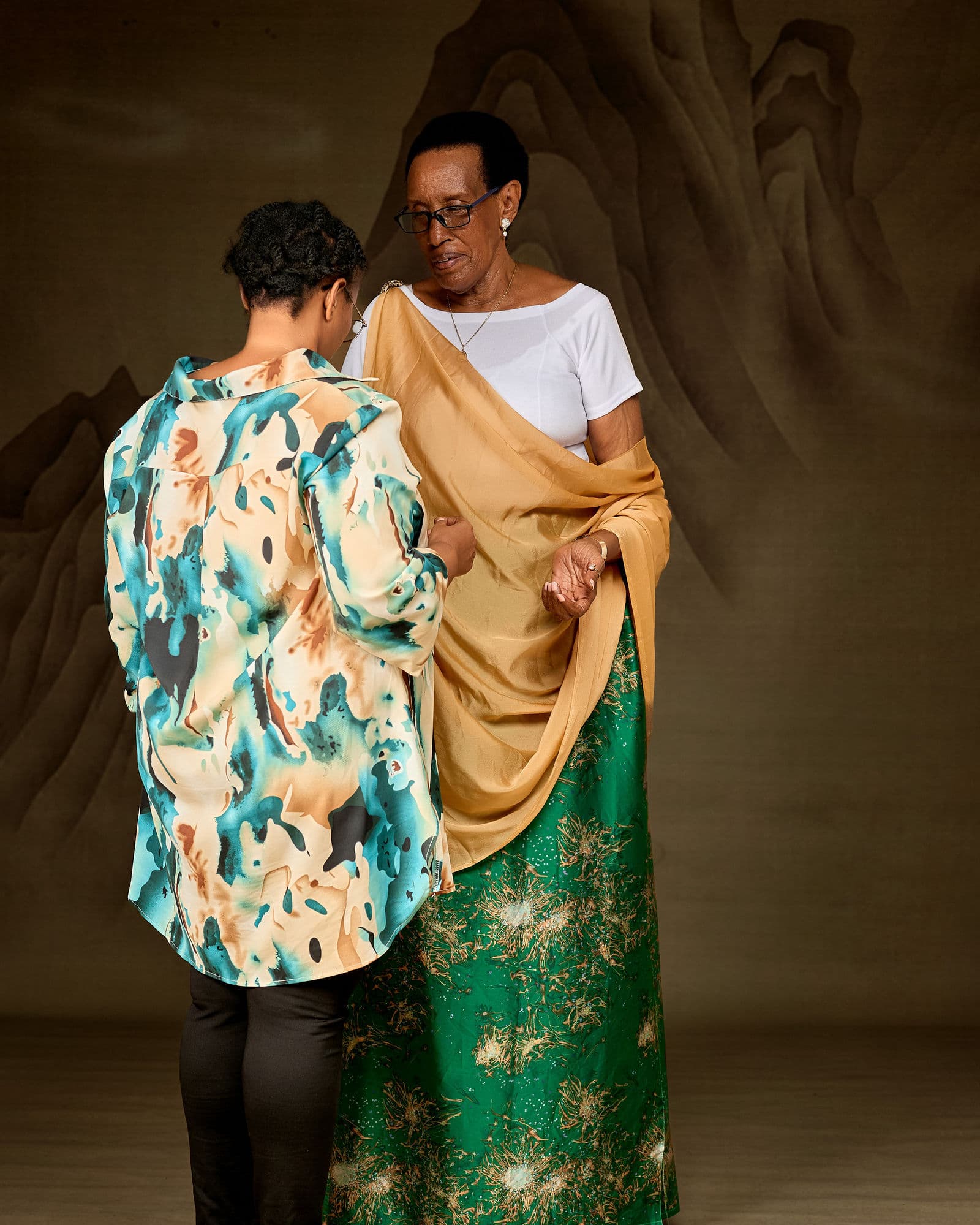
Chapter five · Youth and civic education
Passing it on to young people
Beyond her music, Mariya Yohana has dedicated much of her life to educating and engaging young people. Her work at Kimisagara Youth Centre gave her another way to share knowledge, encourage positive values and use music and cultural expression for education and personal development.
Today she travels across Rwanda and beyond its borders, taking part in performances, cultural events and outreach that promote civic education, patriotism, national unity and cultural awareness, convinced that Rwanda's future depends on generations who understand their history and embrace their identity.
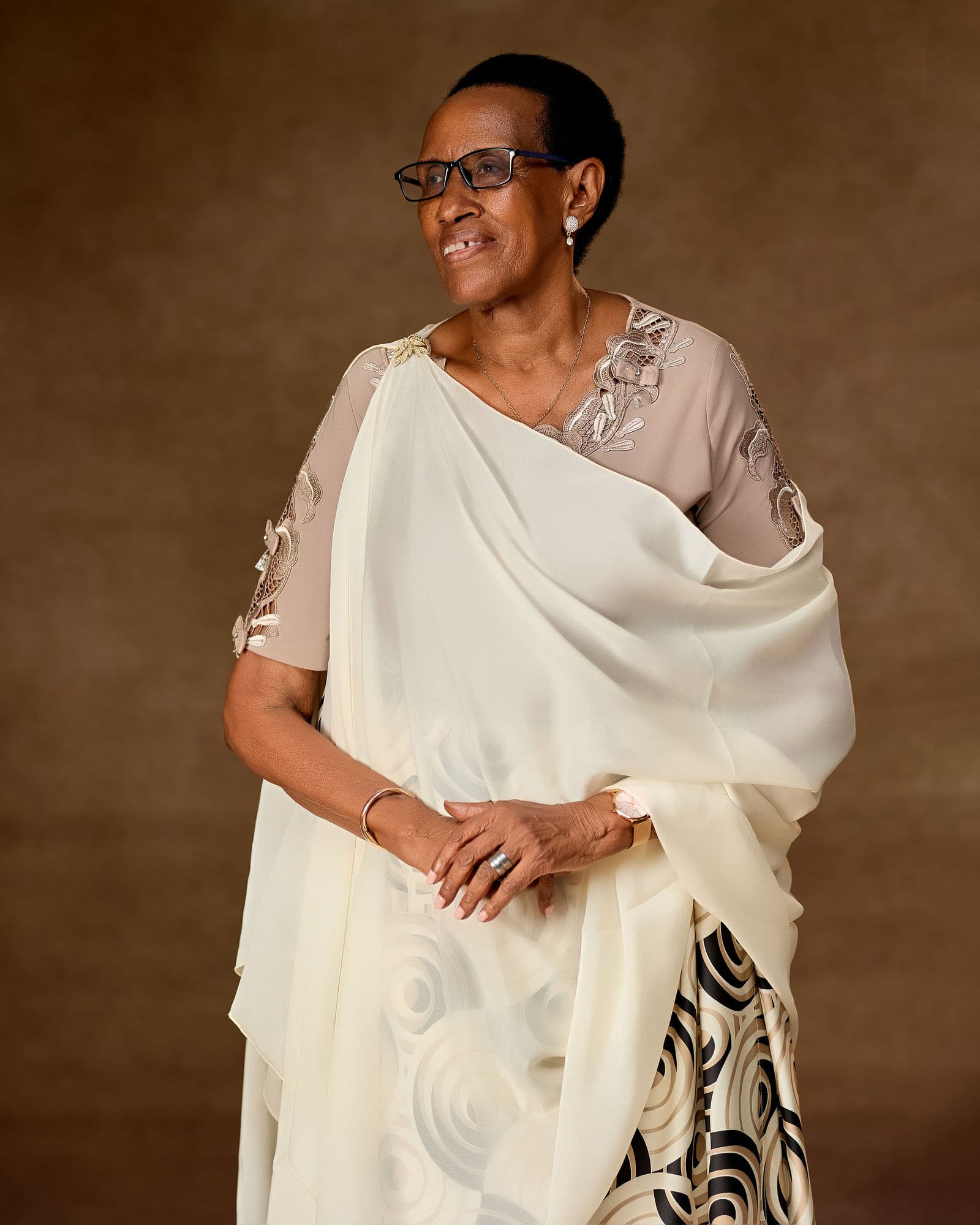
Chapter six · Music today
Still creating, still performing
For Mariya Yohana, music is a legacy, a reflection of history and a way of passing important values on. Since 2015 she has been part of Urukerereza, Rwanda's National Ballet, preserving and promoting traditional Rwandan song and dance.
She remains active in music, creating new work, performing, touring and connecting with audiences across generations and countries. Her recent song “Indinde” has gained significant popularity, featuring among leading music chart selections, while keeping the cultural identity and meaningful messages that define her music.
02Awards and recognition
Honoured for building the nation
In 2007, Mariya Yohana received a medal from the President of the Republic of Rwanda, Paul Kagame, in recognition of her contribution to nation-building.
She has also received various awards for her artistic achievements, her dedication to cultural development and her work preserving and passing on Rwanda's cultural values. Her influence is reflected above all in the generations she has inspired.
03Legacy and vision
Culture as a shared responsibility
Mariya Yohana believes that culture is one of the fundamental pillars of national identity, and that preserving it is a responsibility shared by every Rwandan.
Her message to young people is to love their country, understand their history, appreciate the progress Rwanda has made and remain committed to promoting and preserving Rwandan culture. She is more than an artist: a voice of history, a cultural educator, a mentor to generations and a living legacy connecting Rwanda's past, present and future.
A true legacy is not only what we leave behind; it is what we pass on to future generations so they can continue building a better tomorrow.